A. Introduction To Neurological Anomalies
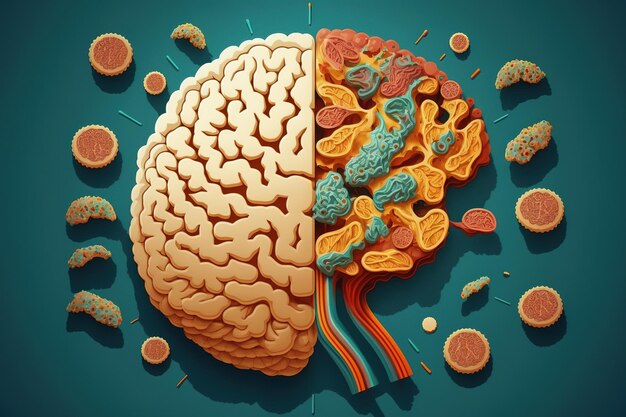
The human brain remains one of the most complex structures in the known universe. Comprising tens of billions of neurons connected through trillions of synaptic networks, it governs every thought, movement, emotion, and involuntary bodily function. However, when subtle genetic mutations or abnormal biological cascades disrupt these intricate cellular pathways, the consequences can be devastating. Among the wide spectrum of medical conditions, rare brain diseases represent some of the most frustrating, perplexing, and heartbreaking challenges faced by modern clinical medicine.
For decades, patients suffering from uncommon neurological conditions faced a bleak journey known in the medical community as the diagnostic odyssey. Individuals often spent years—sometimes decades—visiting dozens of specialists, undergoing repeated invasive testing, and receiving multiple misdiagnoses before finding a definitive answer. In many instances, the precise underlying cause of their neurological decline remained a mystery, leaving families without a clear diagnosis, effective treatment, or actionable prognosis.
Recent technological advancements across molecular biology, neuroimaging, genetic sequencing, and artificial intelligence have begun to transform this landscape. Researchers and clinical neuroscientists are making rapid strides in deciphering the root mechanisms of these obscure conditions. By systematically uncovering the underlying causes of rare brain disorders, science is not only offering hope to previously overlooked patient populations, but also shedding light on fundamental mechanisms that govern common neurodegenerative conditions such as Alzheimer’s and Parkinson’s disease.
B. Defining Rare Neurological Conditions
To understand the scope of this medical challenge, one must first examine what constitutes a rare disease. While definitions vary across international regulatory bodies, a disease is generally classified as rare if it affects fewer than 200,000 individuals in the United States, or fewer than 1 in 2,000 individuals within the European Union. Despite these seemingly small individual numbers, the cumulative impact of rare conditions is vast. Scientists estimate that more than 7,000 distinct rare diseases exist today, with roughly half of them directly affecting the central nervous system.
Rare brain diseases span a broad array of clinical profiles, age demographics, and pathophysiological mechanisms. They include conditions such as:
-
Advanced leukodystrophies that break down the protective myelin sheath surrounding nerve fibers in the central nervous system.
-
Early-onset neurodegenerative disorders that cause rapid cognitive and motor decline in young children.
-
Familial prion diseases characterized by misfolded proteins that propagate throughout cortical tissue.
-
Rare autoimmune encephalopathies where the immune system improperly attacks critical neurotransmitter receptors.
Unlike common ailments that present with standardized clinical markers, rare brain conditions frequently manifest through highly variable symptoms. A single genetic variant may produce severe motor impairment in one patient while presenting primarily as cognitive regression or intractable epilepsy in another. This heterogeneity makes early detection exceptionally difficult for primary care providers and general neurologists who may only encounter a single case throughout their entire medical careers.
C. The Evolution Of Diagnostic Methods
The historical difficulty in diagnosing rare brain disorders stemmed largely from the limitations of legacy diagnostic tools. Early neurological evaluations relied heavily on physical symptom observation, basic spinal fluid analysis, and low-resolution neuroimaging. While these methods could confirm the presence of structural tissue damage or localized inflammation, they rarely revealed the underlying cellular or molecular triggers.
The turn of the 21st century marked a major paradigm shift with the widespread introduction of Next-Generation Sequencing (NGS). Technologies such as Whole Exome Sequencing (WES) and Whole Genome Sequencing (WGS) allowed geneticists to rapidly read an individual’s entire DNA sequence at a fraction of historical costs. By comparing a patient’s genetic profile against vast population databases, researchers began identifying novel pathogenic variants responsible for previously unexplained neurological syndromes.
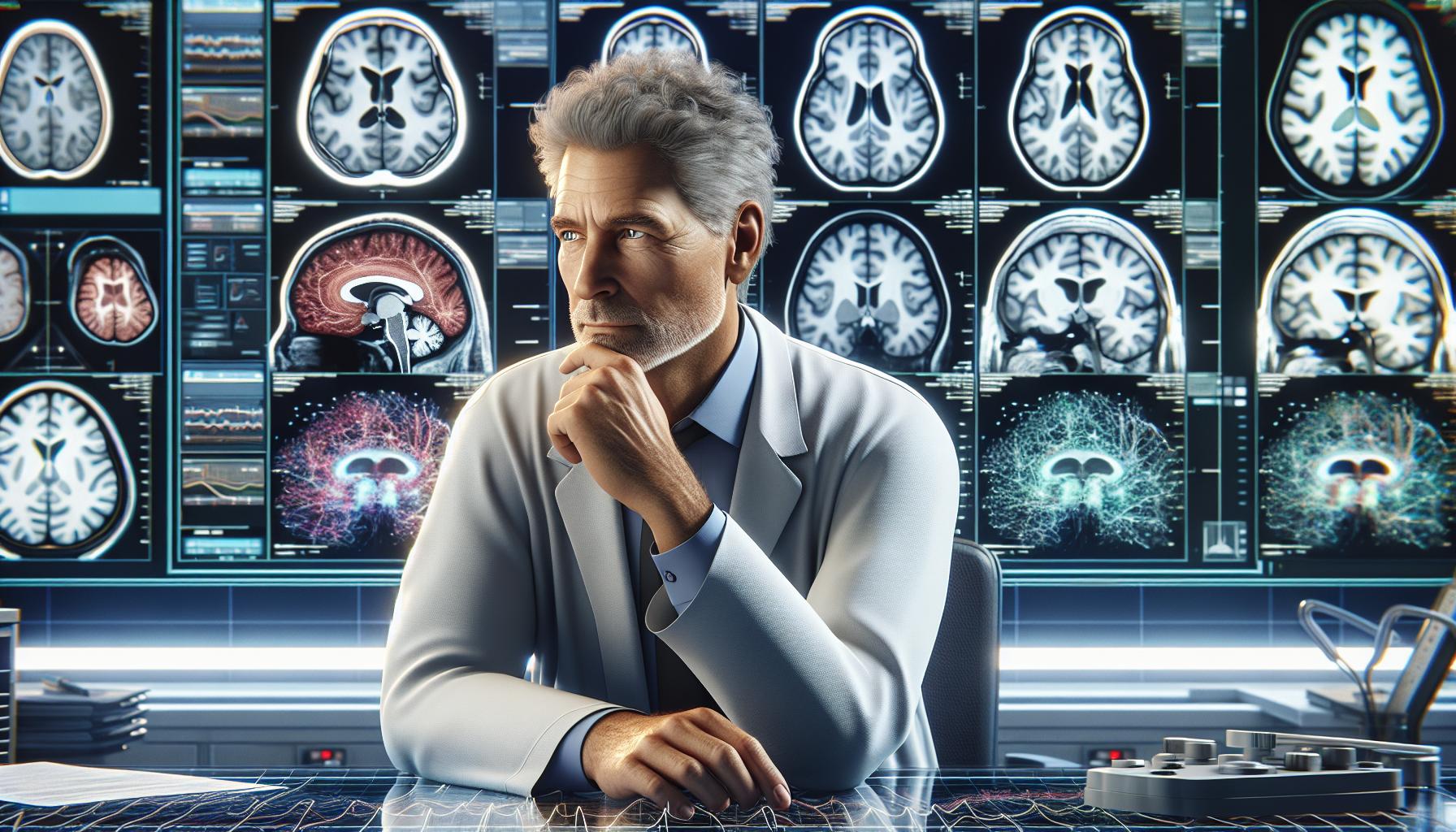
In parallel with genetic breakthroughs, neuroimaging technology has advanced dramatically. High-field Magnetic Resonance Imaging (MRI), Positron Emission Tomography (PET) targeting specific misfolded proteins, and diffusion tensor imaging (DTI) now enable clinicians to visualize microstructural brain pathways and metabolic shifts in real time. These non-invasive imaging techniques allow researchers to track tissue degeneration before severe clinical symptoms become irreversible.
D. Genetic Mutations And Pathological Mechanisms
At the core of many rare brain disorders lies a flaw within the genetic code. Single nucleotide variations, chromosomal microdeletions, or abnormal trinucleotide repeat expansions can disrupt essential biological processes within neurons and glial cells. Understanding how these genetic defects lead to brain tissue damage is a primary focus of contemporary neurobiology.
Pathological mechanisms in rare neurological diseases typically fall into several distinct biological pathways:
-
Lysosomal Storage Dysfunction: Certain genetic variants impair the organelles responsible for clearing cellular waste within neurons. As toxic metabolic byproducts accumulate, neurons experience severe stress, leading to premature cell death.
-
Mitochondrial Energy Failure: Mutations affecting mitochondrial DNA or nuclear genes encoding mitochondrial proteins disrupt cellular respiration. Because the brain consumes roughly twenty percent of the body’s energy, neurons are exceptionally vulnerable to mitochondrial failure.
-
Protein Misfolding And Aggregation: Aberrant protein folding leads to toxic intracellular or extracellular inclusions that disrupt cellular transport networks, trigger persistent inflammatory responses, and impair synaptic transmission.
-
Channelopathies: Defects in ion channel proteins alter cellular membrane excitability, resulting in severe early-onset epileptic encephalopathies or episodic motor deficits.
By isolating these specific pathological cascades, medical researchers can move beyond broad symptom management and focus on targeting the exact biochemical pathways driving disease progression.
E. The Function Of Advanced Computational Analysis
The sheer volume of biological data generated by modern genomics and neuroimaging presents a significant analytical challenge. A single human genome contains over three billion base pairs, making manual identification of rare pathogenic variants akin to finding a needle in a vast haystack. This is where advanced artificial intelligence and computational biology have become indispensable tools.
Machine learning models trained on massive biobanks can systematically cross-reference patient clinical presentations, genetic data, and imaging scans against millions of recorded medical cases. These intelligent algorithms excel at identifying subtle pattern correlations that human clinicians might overlook. For example, AI-driven diagnostic pipelines can identify subtle structural alterations in brain MRI scans years before traditional clinical thresholds are met.
Furthermore, predictive structural biology models have revolutionized our understanding of protein structures. By predicting how a newly discovered genetic mutation alters a protein’s three-dimensional shape, researchers can rapidly assess whether that mutation disrupts critical biological functions, accelerating the discovery phase of rare disease research from years to months.
F. Innovative Targeted Therapeutic Strategies
Unlocking the mysteries of rare brain conditions is only the first step; converting diagnostic insights into effective clinical therapies remains the ultimate objective. For decades, treatment options for rare neurological diseases were strictly palliative. Today, novel therapeutic modalities are actively changing that narrative.
Targeted interventions currently under development or clinical application include:
-
Gene Replacement Therapy: Utilizing engineered adeno-associated viral (AAV) vectors to deliver functional copies of missing or mutated genes directly into the central nervous system.
-
Antisense Oligonucleotides (ASOs): Synthetic single-stranded nucleic acid sequences designed to bind specific messenger RNA transcripts, thereby blocking the production of toxic proteins or restoring proper RNA splicing.
-
Small Molecule Enzyme Enhancers: Pharmacological chaperones that stabilize misfolded enzymes, enabling them to retain partial biological activity and prevent toxic cellular accumulation.
-
Stem Cell Therapies: Transplanting neural progenitor cells to replace damaged brain tissue or deliver neuroprotective factors directly into affected regions.
These approaches mark a shift away from non-specific symptom management toward true disease-modifying precision medicine.
G. Challenges In Clinical Development
Despite remarkable technical progress, developing treatments for rare brain diseases involves significant structural and financial hurdles. The primary obstacle remains small patient populations. Conducting traditional, large-scale randomized controlled trials is often impossible when only a few hundred individuals worldwide carry a specific diagnostic profile.
Regulatory agencies and researchers have responded by designing novel clinical trial frameworks. These include natural history studies that serve as historical control groups, adaptive trial designs that allow adjustments mid-study based on interim data, and N-of-1 trial models tailored to individual patient genetics.
Another major hurdle is crossing the blood-brain barrier (BBB). This highly selective physiological membrane protects the brain from circulating pathogens and toxins, but it also blocks over ninety percent of systemic drug compounds from entering central nervous system tissues. Developing novel delivery vehicles—such as specialized nanoparticles, receptor-mediated transport vectors, and focused ultrasound techniques—remains an active area of clinical innovation.
H. Collaborative Networks And Global Patient Registries
No single research institution or pharmaceutical enterprise can solve the complexities of rare neurological diseases in isolation. International collaboration has become essential for achieving meaningful scientific progress. Shared global databases allow researchers across continents to aggregate clinical data, pool biological samples, and recruit patients for international clinical trials.
Patient advocacy organizations play a pivotal role in this ecosystem. Driven by affected individuals and their families, these organizations frequently fund early-stage research, establish comprehensive patient registries, and lobby regulatory bodies for accelerated approval pathways. By connecting families with specialized research centers, patient groups significantly reduce the time required to complete clinical trials.
The integration of open-science data repositories has accelerated discovery rates. When researchers make anonymized genomic and clinical data publicly accessible, independent research teams worldwide can validate findings, propose novel hypotheses, and build upon existing knowledge in real time.
I. Broader Implications For Common Neurodegenerative Conditions
While rare brain diseases affect relatively small individual patient groups, the scientific discoveries gained from studying them carry far-reaching benefits for general medicine. Rare monogenic conditions caused by a mutation in a single gene provide exceptionally clean biological models for studying specific cellular pathways without the confounding factors associated with common multi-factorial disorders.

Insights derived from rare brain diseases frequently illuminate mechanisms underlying common neurological conditions:
-
Understanding genetic forms of early-onset Parkinsonism helped reveal the critical role of mitochondrial quality control and lysosomal recycling in common age-related Parkinson’s disease.
-
Research into rare familial Alzheimer’s mutations laid the groundwork for current therapeutic strategies targeting amyloid-beta and tau pathology.
-
Studying rare inherited motor neuron diseases continues to reveal key mechanisms involved in sporadic Amyotrophic Lateral Sclerosis (ALS).
In this way, investing resources into solving rare brain disease mysteries yields exponential returns, advancing our understanding of human neurobiology as a whole.
J. Future Horizons In Pediatric And Adult Neurogenetics
As diagnostic technologies become more integrated into routine healthcare, the management of rare brain diseases will shift toward early intervention and pre-symptomatic prevention. Newborn screening programs are increasingly adopting genomic panels capable of detecting severe neurodegenerative variants before irreversible tissue damage occurs.
Initiating targeted gene therapies during early infancy or even prenatally holds the potential to alter the natural trajectory of conditions that were once considered universally fatal. At the same time, expanding adult neurogenetic clinics are discovering that many unexplained adult-onset psychiatric or movement disorders stem from rare, previously unrecognized genetic variants.
The future of neurology lies in personalized, genome-guided interventions. By continuing to combine cutting-edge multi-omics, high-resolution neuroimaging, advanced computational tools, and collaborative global research networks, the scientific community is steadily dismantling the barriers that have long shrouded rare brain diseases in mystery.
K. Conclusion
Solving the complex mysteries surrounding rare brain diseases represents one of the most promising frontiers in modern medicine. What was once viewed as an untangleable web of obscure symptoms is now being mapped at the molecular, genetic, and structural levels. Through the relentless combination of advanced genomic sequencing, artificial intelligence, novel drug delivery technologies, and global research collaboration, medical science is rewriting the prognosis for thousands of affected individuals.
The journey toward eradicating these devastating conditions is far from complete, yet the trajectory is undeniably clear. As our fundamental understanding of neural biological pathways deepens, the boundary between the incurable and the treatable continues to recede, offering a future where rare neurological disorders are diagnosed early, treated effectively, and ultimately prevented altogether.