
Table of contents
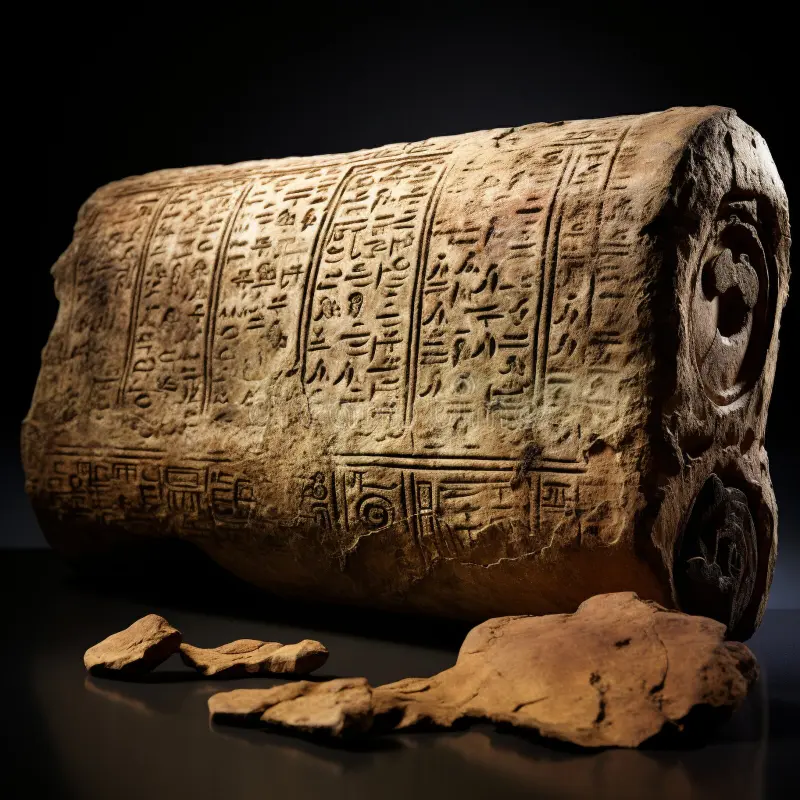
The realm of modern archeology and historical conservation has witnessed one of the most astonishing breakthroughs of the twenty-first century. For over half a century, scholars, historians, and international investigators remained baffled by the mysterious disappearance of a highly significant historical relic—often referred to in academic circles as the Cryptic Missing Artifact. Now, following years of relentless investigative work, advanced technological application, and collaborative effort across global institutions, this long-standing mystery has finally been brought to a definitive resolution. The full story behind the artifact’s vanishing act, its intricate journey through undisclosed private networks, and its eventual recovery provides a compelling look into the underworld of missing cultural heritage and the incredible tools now available to modern researchers.
The Origins and Historical Significance of the Artifact
To fully comprehend the magnitude of this recovery, one must first explore the foundational history and cultural weight of the object in question. The artifact itself dates back thousands of years to an ancient civilization renowned for its sophisticated metalworking, intricate symbolic language, and deep astronomical knowledge.
- Exceptional Craftsmanship and Composition: Crafted from a rare composite of precious metals and adorned with complex, micro-etched inscriptions, the object was not merely an aesthetic masterpiece; it served as a functional item of immense socio-religious importance.
- Astronomical and Ritual Utility: Historical records suggest that the artifact was utilized by high-ranking priests and astronomical observers to calculate seasonal cycles, forecast celestial events, and validate sacred rites.
- The Key to Unlocking Ancient Script: Scholars consider the unique bilingual or cryptological markings embedded on its surface to be a master key. These inscriptions provide unprecedented context for deciphering previously untranslatable texts from the same era.
The cultural significance of this object made its sudden disappearance not just a localized loss for the institution that housed it, but a tragic blow to the world’s shared human heritage.
The Unsolved Disappearance: How the Relic Vanished
The sequence of events leading to the loss of the artifact reads much like a suspense novel. During a period of widespread geopolitical instability in the mid-twentieth century, security protocols at major regional museums were severely compromised.
- A. Systemic Vulnerabilities During Crisis: As conflict raged near the holding facility, staffing was reduced to minimal levels, creating significant oversight gaps that opportunistic criminal elements exploited.
- B. The Calculated Heist: Unlike ordinary museum burglaries where force is visibly applied, this operation was executed with surgical precision. The artifact was replaced with a remarkably convincing replica, delaying discovery for several months.
- C. Disappearance into the Shadows: By the time conservators realized the item on display was a counterfeit, the original artifact had already crossed international borders through illicit smuggling pipelines.
- D. Cold Case Status: Initial police investigations quickly hit dead ends due to forged export documents, fake identities, and a complete lack of digital tracking infrastructure at the time.

For decades, the case remained filed away in international police archives, occasionally revisited by independent researchers and amateur sleuths, but with virtually no viable leads.
Key Factors Behind the Missing Artifact Mystery
+-----------------------------------------------------------------------+
|                 CATALYSTS FOR THE ARTIFACT'S RECOVERY                  |
+-----------------------------------------------------------------------+
| 1. Advanced Digital Forensics (Spectral Imaging & Chemical Analysis)  |
| 2. International Law Enforcement Collaboration (Interpol Network)      |
| 3. Whistleblower Tips from Private Art Collections                   |
| 4. Cross-Referencing Ancient Provenance Documentation Databases       |
+-----------------------------------------------------------------------+
Understanding why this case remained dormant for so long requires examining the complex ecosystem surrounding high-value stolen antiquities. The primary elements that prolonged the search include:
- E. Black Market Circulation: High-profile stolen goods rarely appear at open auctions immediately. Instead, they pass quietly between elite private collectors who fund illicit acquisitions for personal status.
- F. Fragmented Historical Documentation: Incomplete inventory records from the mid-1900s allowed black-market dealers to fabricate plausible backstories (provenance) for stolen items, claiming they were acquired legally before international treaty restrictions took effect.
- G. Jurisdiction Limitations: Law enforcement agencies were historically restricted by national boundaries, preventing seamless cooperation across borders to track moving targets.
Breakthrough Technologies That Led to the Discovery
The turning point in this cold case was not a stroke of random luck, but the direct result of applying cutting-edge scientific methods to art historical research. In recent years, the field of forensic archeology has undergone a radical transformation.
- High-Resolution Multispectral Imaging: Scientists can now analyze the microscopic layers of wear, patina, and chemical composition on suspect items without causing physical damage. This technique allows experts to instantly verify if an item matches historical records down to the sub-millimeter level.
- Artificial Intelligence and Pattern Matching: Specialized AI algorithms were deployed to scan millions of archived auction catalogs, estate liquidation records, and private gallery listings worldwide. The software identified matching structural dimensions and unique surface anomalies that human reviewers had overlooked for decades.
- Isotopic Provenance Analysis: By testing microscopic samples from metal artifacts, geochemical laboratories can pinpoint the exact mine or geographical origin of raw materials, effectively debunking false provenance claims provided by shady sellers.
The Recovery Operation and Legal Reclaimed Status
Once the AI-driven data cross-referencing flagged a potential match hidden within an uncatalogued private estate in Europe, a coordinated multi-national operation was initiated.
- H. Undercover Surveillance: Specialized antiquities enforcement units conducted discreet investigations to verify the current possessor and confirm the object’s physical location.
- I. Execution of Search Warrants: Working alongside local police forces, international investigators executed a synchronized search warrant, successfully securing the artifact without damage.
- J. Authentication Protocol: A team of independent historians and metallurgists subjected the recovered piece to rigorous lab testing, conclusively establishing that it was indeed the authentic missing relic.
- K. Repatriation Proceedings: Legal authorities worked swiftly to strip the illicit possessors of ownership rights and organize the formal return of the artifact to its rightful nation of origin.

What This Resolution Means for the Future of Archeology
The successful resolution of this famous mystery sets a vital legal and operational precedent for thousands of other missing antiquities around the globe.
- A Deterrent to Illicit Antiquities Trade: The recovery proves that no matter how much time passes, modern forensic technology can track down and identify stolen cultural property, drastically reducing the future resale value of stolen heritage.
- Renewed Global Collaboration: The seamless cooperation between law enforcement, academic researchers, and digital data analysts offers a proven framework for solving other cold cases.
- Restoration of Cultural Identity: For the country of origin, retrieving this artifact represents a vital restoration of historical memory, allowing future generations to study and appreciate their true heritage.
The saga of the Cryptic Missing Artifact serves as a dramatic reminder that history does not stay buried forever. Through persistent research, international law, and technology, missing treasures can finally find their way home.