
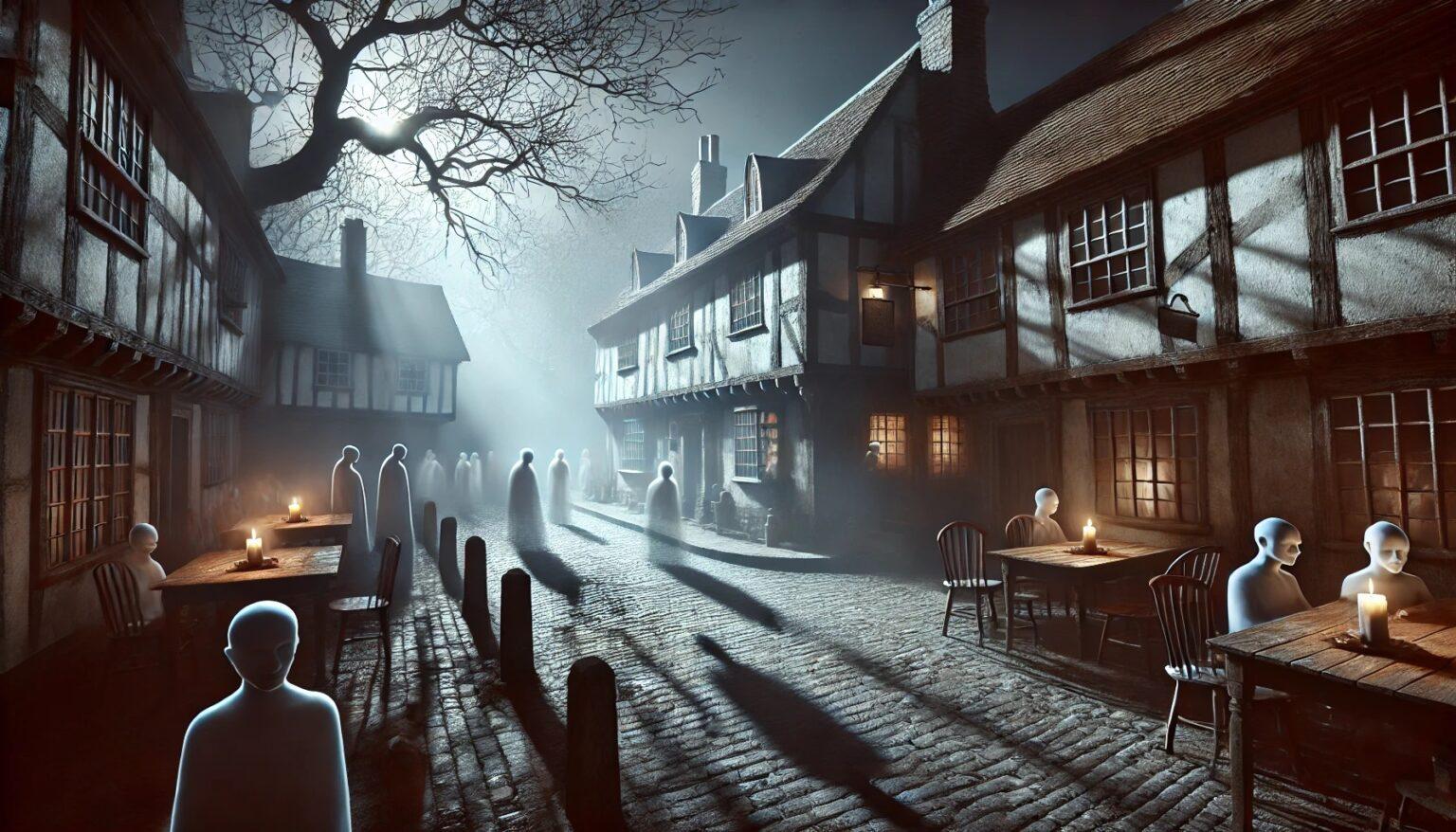
Every quiet corner of the world seems to conceal a whisper of the unnatural. Shadowy silhouettes against decaying windows, sudden drops in ambient temperature, and eerie sounds echoing through empty corridors have fueled human curiosity for generations. Among all forms of modern folklore, few narrative tropes captivate the public imagination quite as intensely as the isolated, haunted settlement. Stories of entire municipalities abandoned due to malevolent spectral forces or sinister curses spread rapidly across digital platforms, captivating millions of readers worldwide. However, behind these thrilling tales of terror usually lies a far more grounded reality. By examining historical records, investigating physical architecture, and analyzing psychological mechanisms, researchers consistently demonstrate how rumors evolve into widespread spectral myths. Unraveling the mechanics behind these viral ghost stories reveals how ordinary history, human psychology, and aggressive online hyperbole intersect to manufacture horrifying spectral traditions from completely mundane events.
A. The Foundations of Spectral Myths B. Psychological Drivers of Collective Belief C. Environmental Factors and Auditory Illusions D. Structural Decay and Visual Misinterpretations E. The Role of Digital Media in Myth Creation F. Economic Collapse Versus Supernatural Curses G. Famous Case Studies Separating Fact From Fiction H. Scientific Approaches to Investigating Anomalies I. Psychological Benefits of Believing in Ghosts J. Preserving History by Uncovering True Stories
A. The Foundations of Spectral Myths
The emergence of a localized spectral tradition rarely occurs in a total vacuum. Most tales begin with a kernel of authentic history, often linked to tragedy, sudden industrial decline, or isolated instances of human misfortune. When a town experiences a rapid drop in population or an unexpected crisis, the sudden emptiness creates an emotional and narrative void. Local populations seek meaning to explain why a once-thriving community collapsed into obscurity. In the absence of documented historical analysis, rumors step in to fill the gaps. Over time, actual events such as factory closures, disease outbreaks, or economic shifts undergo a process of dramatization. As stories pass verbally from one generation to the next, factual details fade, replaced by exaggerated claims of unnatural occurrences. Consequently, what began as a tragic historical event gradually transforms into a supernatural tale designed to evoke fear, fascination, and awe.
B. Psychological Drivers of Collective Belief
Human psychology plays a fundamental role in sustaining tales of supernatural settlements. The human brain is naturally wired to identify patterns, a cognitive phenomenon known as patternicity. In environments characterized by unpredictability or heightened stress, individuals are significantly more likely to perceive intentional agents where none exist. Furthermore, pareidolia the tendency to interpret vague visual or auditory stimuli as meaningful shapes or sounds causes people to see faces in peeling paint or hear voices in the whistling wind. When visitors enter an area labeled as supernatural, a powerful mental bias known as expectation effect takes hold. Expecting to encounter uncanny phenomena, individuals misinterpret routine sensory inputs as evidence of the paranormal. A creaking floorboard becomes a deliberate step, and a stray shadow becomes an apparition. Once a small group shares these perceived experiences, social confirmation reinforces the narrative, consolidating a fleeting misinterpretation into an accepted local myth.
C. Environmental Factors and Auditory Illusions
Physical environments produce a wide array of natural phenomena capable of fooling human senses. Infrasound, which refers to sound waves below the human threshold of hearing, represents a frequent culprit in location-based eerie experiences. Generated by wind interactions with tall structures, underground seismic activity, or heavy machinery, these low-frequency vibrations cause subtle physical reactions in humans. Exposure to infrasound can induce feelings of unexplained anxiety, sorrow, nausea, and even micro-vibrations in the human eyeball that manifest as fleeting visual disturbances. Additionally, natural airflow dynamics within vacant structures generate complex acoustic illusions. As wind passes through broken windows, empty shafts, and narrow corridors, it produces resonant frequencies resembling human cries or subtle whispers. Without an understanding of ambient acoustics, observers naturally attribute these unsettling auditory sensations to invisible, malignant presences lingering in the area.
D. Structural Decay and Visual Misinterpretations
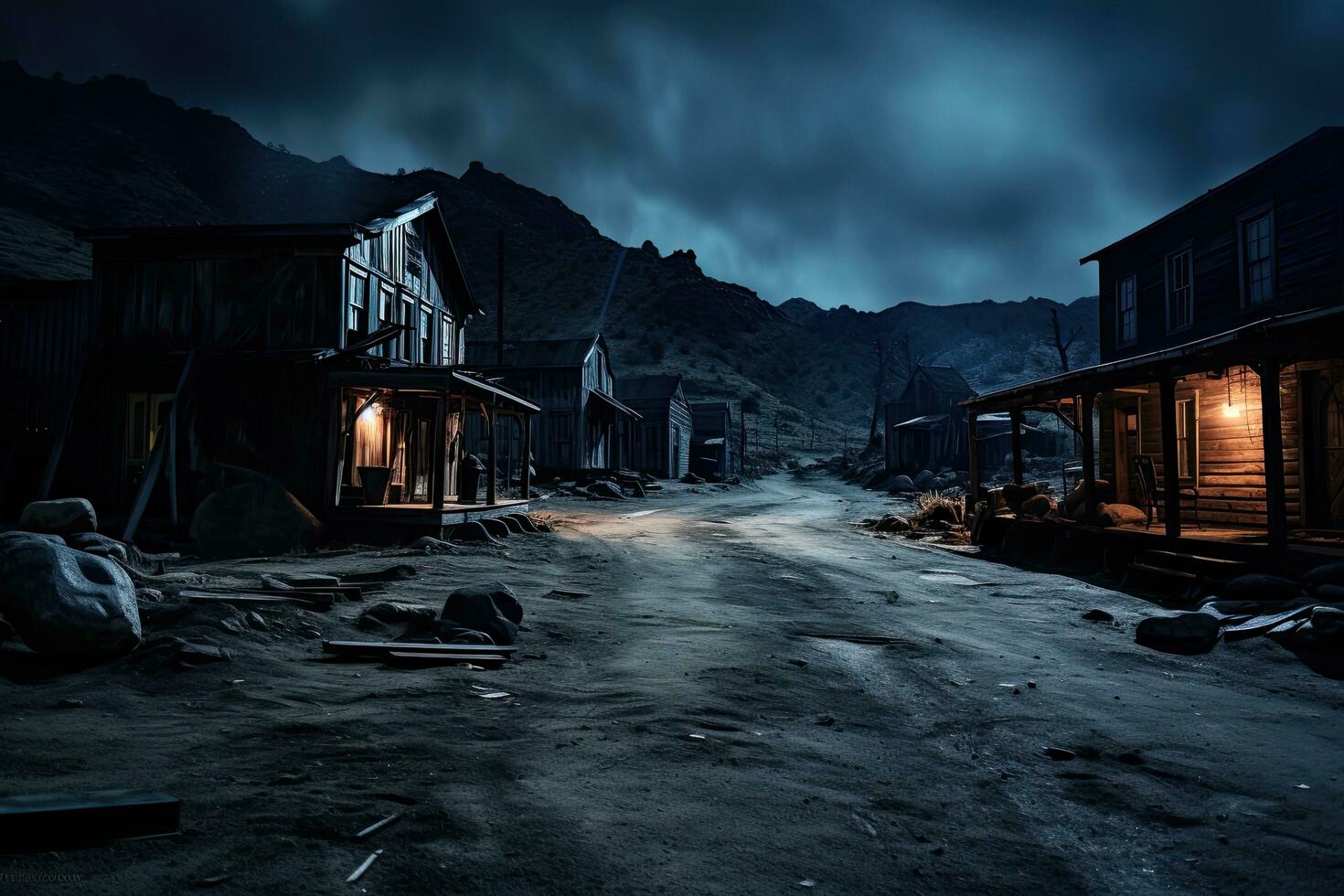
The physical degradation of abandoned infrastructure creates an ideal canvas for visual misinterpretation. As buildings age without maintenance, structural integrity declines, yielding unpredictable visual textures and shifting geometry. Moisture infiltration causes wallpaper to peel into unnatural shapes, while rotting wood warped by changing humidity produces sudden, loud cracking noises that mirror footsteps. In low-light conditions, light entering through broken walls creates complex shadow play. When viewed by an individual already influenced by local lore, these optical anomalies are easily mistaken for moving figures. Furthermore, old structures frequently contain toxic substances, including lead dust or hidden mold colonies like Stachybotrys chartarum. Inhaling toxic fungal spores or environmental pollutants can trigger disorientation, halluconatory episodes, and heightened paranoia, providing a direct biological explanation for why visitors feel unexplainably disturbed while exploring degraded properties.
E. The Role of Digital Media in Myth Creation
In the contemporary era, the internet serves as the primary engine for accelerating and amplifying local folklore. Online platforms prioritize high-engagement content, incentivizing creators to sensationalize mundane locations for views and digital traffic. Content creators often visit obscure settlements, using dramatic lighting, ominous sound design, and selective editing to present ordinary abandoned sites as terrifying paranormal hotspots. Sensationalized headlines and clickbait tactics spread these narratives across global networks within hours, bypassing traditional fact-checking mechanisms. Once a location gains viral notoriety, thousands of digital tourists flock to the site, eager to replicate the reported experiences. This massive influx of visitors creates a self-sustaining feedback loop: new visitors enter the area expecting terror, document their own misinterpretations, and post them online, further embedding the myth within global digital culture.
F. Economic Collapse Versus Supernatural Curses
When analyzing settlements supposedly abandoned due to spectral activity, historical documentation routinely points to economic realities rather than supernatural curses. Many towns characterized as eerie ruins originated as single-industry settlements built around mining, logging, or manufacturing. When natural resources deplete or industrial demands shift elsewhere, these communities lose their economic foundation almost overnight. Residents leave rapidly in search of employment, abandoning homes, schools, and commercial buildings. To an outside observer arriving decades later, the sudden, preserved state of abandonment feels eerie and deliberate. However, property records, municipal archives, and economic data consistently show that market forces, corporate bankruptcies, and transportation route realignments are the actual catalysts for abandonment. The narrative of a sudden supernatural exodus simply serves as a romanticized alternative to the harsh realities of economic decline.
G. Famous Case Studies Separating Fact From Fiction
Examining specific locations frequently cited in urban legends demonstrates the vast divide between popular myth and verified fact:
- Centralia, Pennsylvania: Famous for inspiring dark fictional tales of ghost towns, this municipality was officially evacuated due to a subterranean coal mine fire that ignited in the 1960s. The rising toxic gases and unstable ground forced relocation, not supernatural manifestations.
- Bodie, California: Often romanticized as a cursed ghost town where removing a single pebble brings severe bad luck, historical evidence confirms the settlement was simply abandoned as gold mining yields diminished. The “curse” was largely popularized by park rangers to prevent visitors from looting historic artifacts.
- Pripyat, Ukraine: Widely featured in paranormal media as a haunting monument of sudden abandonment, the city’s empty state stems entirely from the catastrophic nuclear meltdown at the Chernobyl Power Plant in 1986. The lingering danger is invisible radiation, not spectral inhabitants.
H. Scientific Approaches to Investigating Anomalies
Modern scientific investigators utilize empirical methodology and specialized tools to evaluate claims of paranormal activity in reputedly haunted locations:
- Thermal Imaging: Thermographic cameras capture precise variations in surface temperature, revealing that reported “cold spots” are caused by natural air drafts, insulation gaps, or thermal bridging rather than spectral presences.
- Electromagnetic Field (EMF) Meters: While enthusiasts claim EMF spikes signal spirit activity, rigorous measurement shows these readings stem from unshielded electrical wiring, old power lines, or natural geological formations containing magnetic minerals.
- Air Quality Testing: Environmental sensors regularly identify elevated levels of carbon monoxide, dangerous gases, or volatile organic compounds in enclosed abandoned spaces, explaining feelings of dizziness, pressure on the chest, and acute anxiety experienced by visitors.

I. Psychological Benefits of Believing in Ghosts
Despite overwhelming empirical evidence debunking supernatural claims, human culture remains deeply attached to ghost stories and eerie lore. Psychologists note that engaging with tales of the unnatural serves several beneficial functions. Exploring controlled fear within the safety of narrative fiction allows individuals to build emotional resilience and manage generalized anxiety. Furthermore, belief in specters provides a comforting implication: that human consciousness continues beyond physical mortality. Rather than viewing an abandoned location as an empty memorial to economic failure or human tragedy, reframing it as a site of lingering spirits imbues the space with enduring meaning. Urban legends transform forgotten history into interactive narratives, allowing communities to connect through shared storytelling, mystery, and thrill-seeking behavior.
J. Preserving History by Uncovering True Stories
Debunking urban legends does not diminish the value or fascination of historical sites; instead, it restores dignity to the people who actually lived there. Replacing exaggerated ghost tales with authentic historical research brings real human experiences back into focus. Every abandoned settlement reflects the struggles, achievements, and structural shifts of human society. By prioritizing historical literacy over sensationalized myths, society preserves legitimate heritage while developing critical thinking skills. Understanding the precise mechanisms behind how urban legends are manufactured enables individuals to appreciate mysterious locations for what they genuinely are: fascinating physical records of economic history, human adaptability, and the complex psychological machinery of the human mind.