
Table of contents
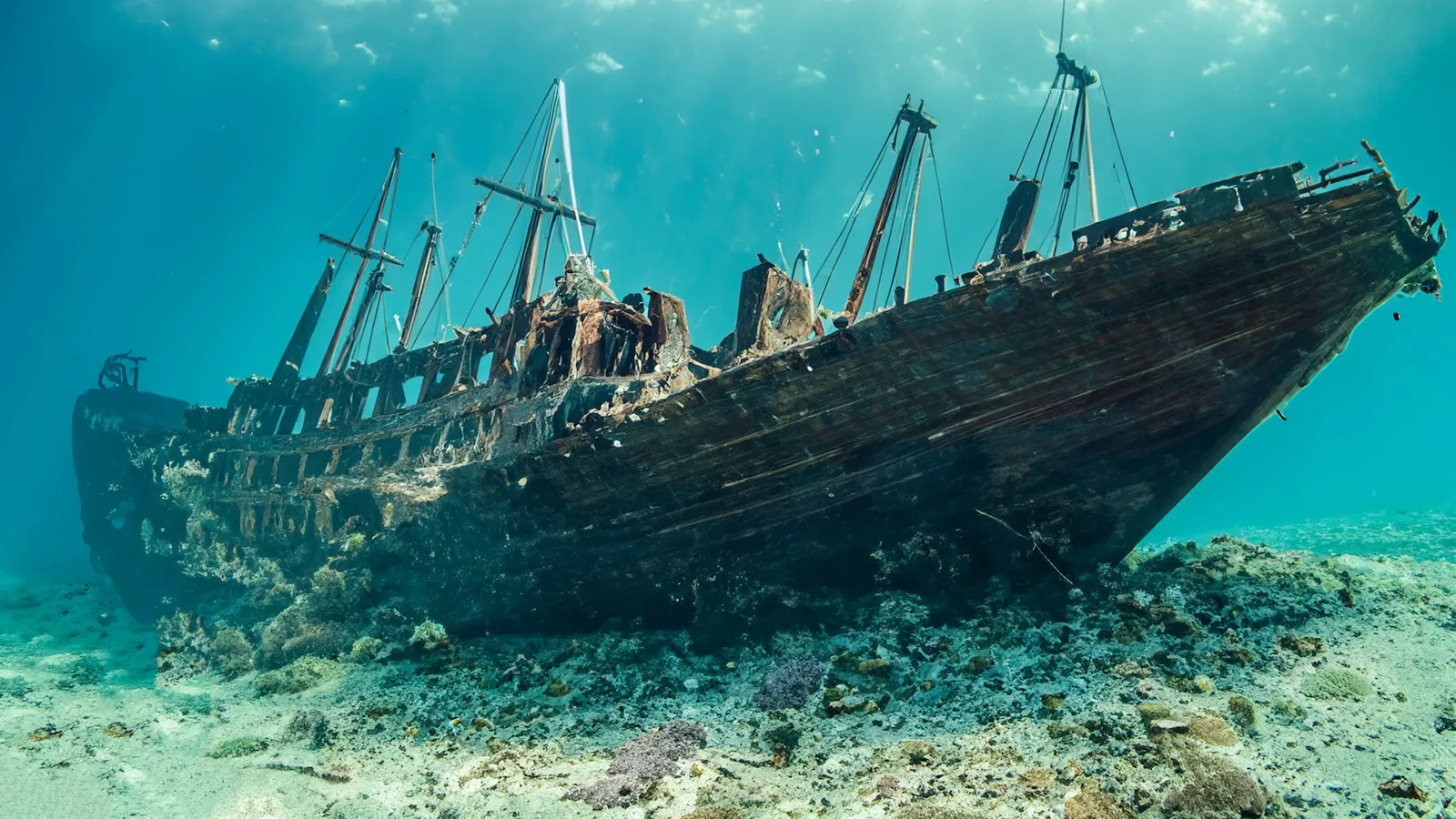
Centuries ago, a majestic wooden vessel vanished into the turbulent waters of the high seas, taking its cargo, crew, and untold secrets down into the dark depths of the ocean floor. For generations, this sunken vessel remained nothing more than a faint legend passed down through maritime lore a phantom ship lost to time and forgotten by the modern world. However, through a combination of cutting-edge technology, painstaking historical research, and unrelenting underwater exploration, marine archaeologists have finally solved this long-standing maritime mystery. The detailed analysis of this centuries-old shipwreck not only sheds light on the tragic circumstances of its final voyage but also rewrites key chapters of global trade history, ship construction methods, and ancient navigation practices.
A. The Historic Discovery and Initial Findings
The journey toward solving this centuries-old enigma began when advanced sonar equipment mapped an anomaly along an isolated stretch of the seafloor. What initially appeared to be a natural geological formation soon revealed distinct structural signatures characteristic of a mid-seventeenth-century merchant vessel. Deep-sea remotely operated vehicles were deployed to conduct an initial visual survey, capturing high-definition footage of timber frames partially buried under layers of marine sediment.
A. The structural integrity of the hull remained surprisingly intact due to low-oxygen conditions near the ocean floor. B. Hull framing patterns indicated advanced naval architecture tailored for long-distance transatlantic journeys. C. Initial artifact surface scans revealed preserved ceramic vessels, metal fittings, and personal belongings. D. Ballast stones scattered across the debris field helped researchers estimate the overall dimensions and load capacity.
The preservation level was extraordinarily rare. Deep-ocean environments often harbor wood-boring organisms that accelerate timber decay, yet specific environmental conditions at this particular site created a natural protective vault. Silt buildup over hundreds of years sealed significant portions of the lower deck, insulating fragile artifacts from destructive currents and oxygenation.
B. Cutting-Edge Scientific Technologies Employed
Decoding a complex historical wreck requires far more than traditional diving methods. Researchers mobilized an international multidisciplinary team comprising marine geologists, dendrochronologists, metallurgists, and digital reconstruction specialists.
A. Advanced side-scan sonar and multibeam bathymetry provided precise three-dimensional mapping of the entire debris field. B. Photogrammetry software processed thousands of high-resolution underwater photographs to construct interactive digital twin models. C. Carbon-14 isotope analysis established a definitive chronological timeframe for organic materials found onboard. D. High-resolution X-ray fluorescence illuminated the elemental composition of corroded metal artifacts without causing physical damage.
Dendrochronology the scientific study of tree-ring patterns played a pivotal role in identifying the origin of the ship’s construction materials. By matching wood samples taken from the primary oak beams against extensive historical tree-ring databases, scientists identified the exact forest region where the timber was harvested. This crucial breakthrough narrowed down the construction timeline to a specific decade, providing researchers with a tangible starting point in regional naval archives.
C. Unraveling the Identity and Final Voyage
Armed with precise dating parameters and timber provenance data, archival researchers searched historical shipping manifests, court records, and insurance ledgers across major European port cities. Matching recorded departures with missing ship reports from the period ultimately led to a definitive breakthrough: the identification of the vessel’s true name, flag, and original mission.
Historical documents revealed that the vessel was dispatched on a high-stakes trade expedition carrying a valuable combination of commercial goods, raw materials, and diplomatic correspondence. The ship departed its homeport during a period of intense geopolitical rivalries, where navigating oceanic trade routes carried severe risks from naval privateers, unpredictable weather systems, and navigational hazards.
A. Archival logs confirmed the vessel departed during a volatile seasonal weather transition. B. Cargo manifests matched the precise distribution of raw materials recovered from the lower hold. C. Personal journals from contemporary port authorities documented the ship’s failure to arrive at its destination port. D. Maritime insurance claims filed after its disappearance detailed the precise commercial loss suffered by investors.
The recovery of the ship’s official logbook fragment—painstakingly stabilized in high-tech preservation laboratories offered unprecedented insights into the final days before the disaster. Entries described challenging weather patterns, growing fatigue among the crew, and structural strains on the main mast, painting a poignant picture of a crew fighting against overwhelming natural forces.
D. Insights Into Ancient Global Trade Networks
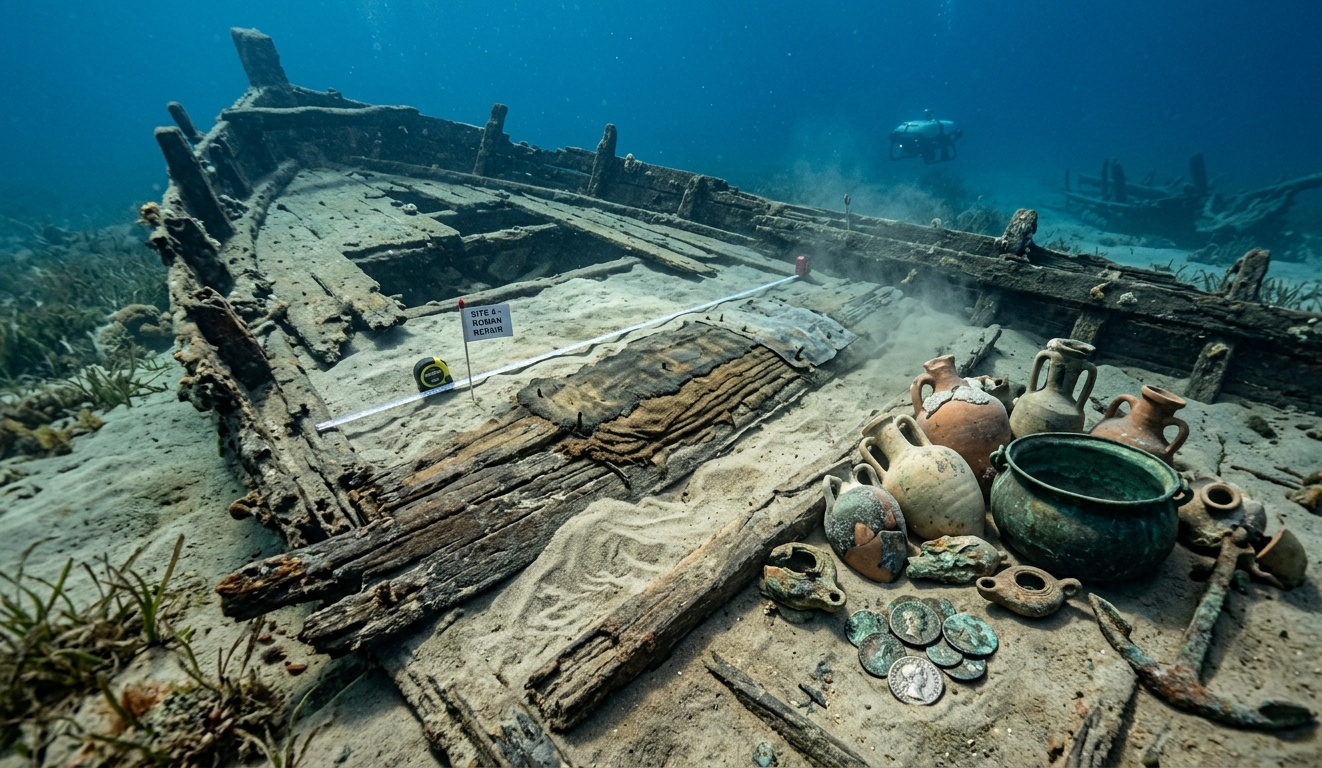
The cargo recovered from the hold represents a virtual time capsule of early modern global commerce. During this era, maritime trade routes served as the primary economic arteries connecting distant continents, driving the exchange of goods, cultures, and technologies.
A. Raw ceramic items and porcelain fragments demonstrated established commercial ties with East Asian artisans. B. Metallic ingots, including silver and copper, highlighted the extraction and global distribution of mineral wealth. C. Spices, botanical samples, and preserved foodstuffs illustrated the complex logistical supply chains of long-distance voyages. D. Textiles and manufactured tools reflected regional industrial specialization and export strategies.
Analyzing these recovered commodities allows economic historians to reconstruct trade balances and pricing structures with unprecedented accuracy. The diversity of origins among the cargo proves that international trade networks were far more interconnected and interdependent during this era than previously recognized by mainstream historical models.
E. Naval Architecture and Construction Innovations
Beyond its economic cargo, the physical structure of the vessel itself represents a major technological artifact. Shipbuilders of this period relied primarily on traditional craftsmanship passed down through generations rather than standardized engineering blueprints. Analyzing the physical hull design reveals crucial evolutionary steps in maritime engineering.
A. Double-planking techniques along the lower hull were utilized to enhance structural resistance against hull breaches. B. Iron fastenings combined with traditional wooden pegs demonstrated a hybrid approach to structural reinforcement. C. Custom framing geometries maximized cargo capacity without sacrificing hydrodynamic efficiency. D. Modified ballast configurations indicated experimental approaches to improving vessel stability in rough seas.
The discovery challenges previous assumptions regarding the timeline of specific naval architectural innovations. Features previously believed to have developed decades later were already integrated into this ship’s design, demonstrating that shipyards were actively experimenting with advanced engineering concepts to survive grueling oceanic conditions.
F. Life Onboard: Artifacts of the Crew
While the ship’s macro-history tells a story of trade and engineering, the micro-history found within the crew quarters reveals the human element of the tragedy. Small, personal items preserved in the sediment offer a deeply personal look into the daily routines, social hierarchies, and personal struggles of seventeenth-century sailors.
A. Navigation instruments, including brass astrolabes and dividers, showed signs of frequent use and manual calibration. B. Personal items such as carved pipe heads, leather footwear, and wooden game boards revealed leisure activities. C. Medical implements and apothecary jars containing botanical remedies illuminated health conditions at sea. D. Religious medals and personal talismans highlighted the spiritual beliefs and superstitious practices of the crew.
The distribution of these artifacts across different deck levels clearly illustrates the strict social stratification maintained onboard. Officers enjoyed roomier quarters equipped with refined dining utensils and advanced navigational tools, whereas common seamen slept in crowded communal spaces alongside heavy storage crates and operational gear.
G. Reconstructing the Sinking Scenario
Determining why the vessel sank required combining structural analysis, physical oceanography, and forensic engineering. Initial popular theories blamed an enemy attack or pirate interception, given the turbulent political climate of the period. However, careful forensic examination of the structural damage provided a completely different explanation.
A. Lack of scorch marks or impact fractures near the waterline ruled out heavy artillery combat or internal explosions. B. Severe stress fractures along the keelson indicated extreme structural flexing caused by massive wave action. C. Unsecured heavy cargo shifts in the primary hold likely caused a catastrophic roll to one side. D. Fractured pump components suggested the crew attempted to clear water faster than the hull was taking it on.
The evidence points toward an sudden storm encountered far offshore. As extreme waves battered the vessel, the main mast sustained catastrophic structural failure, rendering the ship uncontrollable. Water rapidly breached the main deck hatches, overwhelming the manual bilge pumps and sending the ship beneath the surface within a matter of hours.
H. The Preservation and Conservation Process
Raising ancient artifacts from a deep marine environment presents severe conservation challenges. Material that has spent centuries underwater in an oxygen-deprived state rapidly deteriorates when exposed to atmospheric oxygen, sunlight, and changing humidity levels.

Organic materials like wood and leather require immediate immersion in specialized polyethylene glycol solutions to prevent shrinkage. B. Metallic objects undergo controlled electrolysis to remove heavy marine encrustations and salt deposits. C. Ceramics and glass are subjected to prolonged desalination baths to wash out residual sea salts. D. Digital environmental monitoring ensures ambient storage conditions remain completely stable throughout the multi-year process.
Conservators work tirelessly in specialized marine laboratories to ensure every recovered item is preserved for future generations. The treatment process for large structural timbers can take years, as protective compounds slowly replace water molecules inside the cell walls of the wood.
I. Historical Impact and Future Exploration
The successful decoding of this centuries-old shipwreck marks a watershed moment in marine archaeology. By systematically analyzing every element of the site from structural timbers down to microscopic sediment samples scholars have closed the chapter on a long-standing historical mystery while simultaneously opening new doors for maritime research.
A. The discovery provides a benchmark methodology for future deep-water archaeological operations. B. Reanalyzed shipping records are helping historians locate additional long-lost vessels along similar trade corridors. C. Interactive digital museum exhibits now allow the global public to explore the shipwreck in virtual reality. D. Academic institutions have updated historical trade models to reflect the economic evidence uncovered at the site.
As underwater exploration technology continues to evolve, autonomous submersibles equipped with artificial intelligence will soon map previously inaccessible regions of the ocean floor. Thousands of shipwrecks remain hidden in the dark depths, each holding its own secret story waiting to be decoded. The successful resolution of this historical tragedy proves that no matter how many centuries pass, the ocean eventually yields its deepest secrets to those dedicated to uncovering the truth.