
Table of contents
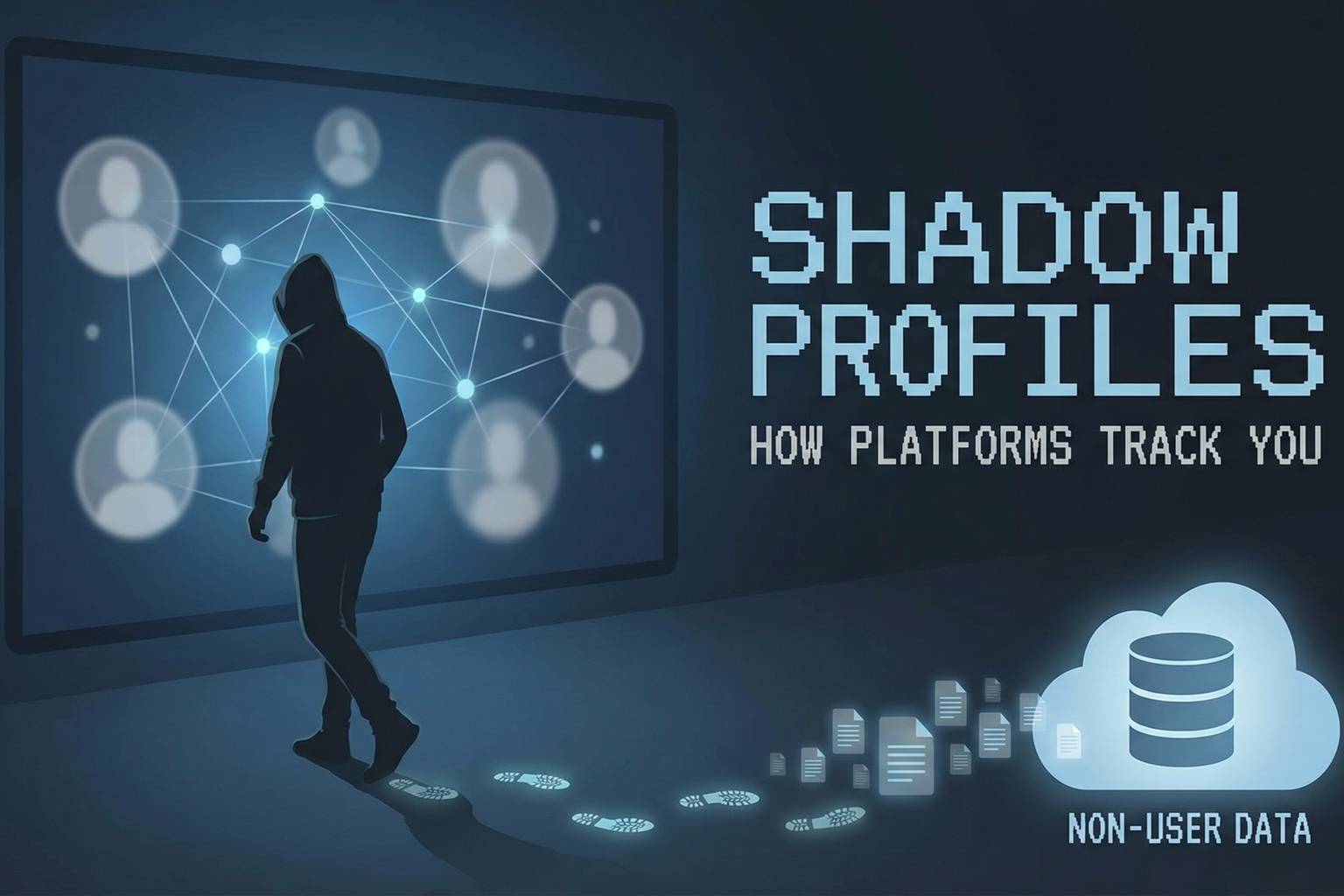
Shadow technology often termed Shadow IT refers to the software, cloud services, infrastructure, and hardware deployed within an enterprise without explicit authorization from the central IT or cybersecurity department. While these unauthorized platforms initially emerge to solve immediate operational bottlenecks or accelerate productivity, they subtly introduce massive security vulnerabilities, compliance violations, and systemic operational risks. Understanding, identifying, and mitigating the mystery surrounding these unmonitored systems is now a paramount objective for modern Enterprise Chief Information Officers (CIOs) and Chief Information Security Officers (CISOs).
1. The Operational Anatomy of Shadow Technology
To effectively defend an enterprise environment, security leadership must first comprehend the underlying mechanics that enable unauthorized digital ecosystems to proliferate across business units.
A. Core Drivers of Unauthorized Platform Adoption
- Strategic friction within centralized IT procurement workflows
- Acceleration of digital transformation demands across non-technical business divisions
- Rapid availability of Product-Led Growth (PLG) Software-as-a-Service (SaaS) tools
- Decentralized remote and hybrid work environments lacking strict perimeter controls
- Need for specialized niche functionality unavailable in legacy software suites
B. Common Categories of Hidden Digital Assets
- Cloud-based productivity and collaboration platforms
- Unsanctioned messaging, communication, and file-sharing applications
- Personal webmail and external storage accounts used for corporate assets
- Unmonitored Application Programming Interface (API) endpoints and developer sandboxes
- Unmanaged Internet of Things (IoT) hardware and smart office devices
2. Enterprise Risk Profile: The Hidden Dangers
The proliferation of unmonitored digital infrastructure exposes corporate networks to severe threat vectors that bypass standard security architectures.
| Risk Category | Threat Vector Description | Potential Impact |
| Data Visibility & Control | Unregulated transfer of sensitive Intellectual Property (IP) to unsecured cloud platforms. | Severe data leakage, loss of proprietary assets, intellectual property theft. |
| Compliance & Regulatory | Non-compliance with global standards such as GDPR, HIPAA, PCI-DSS, and SOC 2. | Legal prosecution, astronomical financial penalties, brand destruction. |
| Expanded Attack Surface | Unpatched application vulnerabilities and misconfigured cloud access privileges. | Ransomware entry points, credential harvesting, supply chain compromise. |
| Financial Inefficiency | Redundant subscriptions, unoptimized seat licenses, and rogue expense spending. | Distorted IT budget forecasting, wasted operational expenditure. |
3. Threat Vectors Exploiting Unmonitored Platforms
Advanced persistent threat (APT) actors and cybercriminals actively hunt for unmonitored endpoints and unsanctioned applications to establish persistent footholds inside corporate networks.
A. Initial Access and Lateral Movement
Attackers often target unsanctioned SaaS applications using stolen credentials obtained via third-party data breaches or phishing campaigns. Because these platforms lack Multi-Factor Authentication (MFA) enforcement integrated into the enterprise Identity and Access Management (IAM) suite, threat actors can effortlessly establish initial access. From there, they map out connection paths, pivot through API integrations, and move laterally into mission-critical systems.
B. Data Exfiltration via API Misconfigurations
Modern SaaS tools heavily rely on webhooks and RESTful APIs to synchronize data across software ecosystems. When employees connect unsanctioned platforms to primary corporate databases using personal access tokens or high-privilege API keys, they open unmonitored backdoors. Threat actors exploit these misconfigured integration channels to exfiltrate massive volumes of confidential data completely undetected by perimeter firewalls.
4. Comprehensive Strategy for Securing Shadow Tech Platforms
Mitigating the risks of unauthorized software requires a balanced approach combining modern technical controls, robust governance, and cultural adaptation.
A. Technical Governance and Infrastructure Alignment
- Implementing Cloud Access Security Brokers (CASB) to inspect traffic and enforce policy controls
- Deploying Endpoint Detection and Response (EDR) agents across all managed hardware
- Enforcing Zero Trust Network Access (ZTNA) policies with strict continuous authorization
- Continuous inspection of DNS logs and network gateway traffic using secure web gateways (SWG)
- Automated discovery of third-party OAuth permissions granted to corporate email credentials

B. Strategic Procurement and Operational Governance
- Establishing accelerated approval tracks for low-risk software deployments
- Implementing clear, transparent enterprise software request workflows
- Conducting routine data discovery and inventory audits across all business units
- Defining clear boundary policies for third-party software integrations and APIs
- Aligning departmental IT spend with centralized procurement oversight
C. Cultural Transformation and Educational Frameworks
- Shifting from punitive IT enforcement to collaborative enablement models
- Delivering continuous security awareness programs tailored to modern cyber risks
- Creating department-level security champion roles to guide procurement decisions
- Establishing feedback loops between end-users and IT support teams
- Gamifying security compliance to incentivize authorized tool usage
5. Architectural Implementation of Zero Trust and CASB
Enforcing security across unsanctioned digital infrastructure requires a sophisticated technical architecture built on Zero Trust principles and automated Cloud Access Security Broker (CASB) solutions.
+------------------+      +-------------------+      +----------------------+
| Endpoint/User    | ---> | CASB / SWG Gateway| ---> | Cloud SaaS Platform  |
| (Identity Check) |      | (Traffic Analysis)|      | (Sanctioned/Unsanct.)|
+------------------+      +-------------------+      +----------------------+
                                    |
                                    v
                          +-------------------+
                          | Security Information |
                          | & Event Mgmt (SIEM) |
                          +-------------------+
A. Deep Packet Inspection and SaaS Discovery
Deploying inline CASB solutions allows organizations to perform real-time deep packet inspection (DPI) on outgoing HTTP/HTTPS requests. This provides complete visibility into destination URLs, file upload payloads, and authorization headers. By cross-referencing outbound traffic against database threat intelligence feeds, security engines automatically calculate risk scores for discovered platforms and alert security operation center (SOC) analysts.
B. Dynamic Policy Enforcement
Once an unauthorized platform is identified, automated security policy engines enforce action based on context:
- Block: High-risk platforms with known security vulnerabilities or malicious signatures are outright blocked at the DNS and proxy levels.
- Isolate: Medium-risk collaboration tools are launched inside isolated browser sessions (Remote Browser Isolation – RBI) to prevent malware downloads or data uploads.
- Sanction: Useful platforms with low security risk are flagged for review by procurement and identity management teams for enterprise single sign-on (SSO) integration.
6. Regulatory Compliance and Framework Mapping
Maintaining control over shadow infrastructure is directly linked to regulatory compliance and adherence to global cybersecurity standards.
A. Mapping Control Standards to Shadow IT Governance
- NIST Cybersecurity Framework (CSF 2.0): Focuses on the Identify and Protect functions by maintaining a complete, real-time inventory of physical and software assets.
- ISO/IEC 27001:2022: Mandates strict control over asset management (A.5.9), user access management (A.5.15), and information transfer security (A.5.14).
- SOC 2 Type II: Requires continuous monitoring of system availability, processing integrity, and data confidentiality across all operational infrastructure.
B. Mitigating Data Sovereignty and Privacy Penalties
Global privacy laws, such as the European Union’s General Data Protection Regulation (GDPR) and the California Consumer Privacy Act (CCPA), carry massive financial fines for unauthorized processing or storage of personally identifiable information (PII). When employees upload customer records into unsanctioned cloud platforms without explicit data processing agreements (DPAs), the organization stands in direct violation of law. Eliminating shadow cloud instances ensures data remains within compliant geographic regions under strict cryptographic protection.
7. Metrics for Measuring Governance Success
Security leaders must continuously track key performance indicators (KPIs) to quantify the effectiveness of their shadow IT mitigation strategies over time.
A. Primary Performance Indicators
- Percentage of SaaS Discovery: Total number of discovered unmanaged applications vs. fully sanctioned enterprise applications.
- Mean Time to Detection (MTTD): Average time elapsed between an unauthorized platform deployment and its discovery by security analytics.
- SSO & MFA Adoption Rate: The percentage of enterprise software platforms brought under central Identity Provider (IdP) control.
- API Risk Remediation Speed: Average hours required to revoke unauthorized OAuth tokens and third-party API integrations.
- Policy Breach Incidents: Total number of unauthorized data transfer attempts stopped by CASB and DLP engines.
8. Continuous Optimization and Lifecycle Management
Maintaining visibility over hidden enterprise technologies is an ongoing process rather than a one-time project. As business requirements change and new digital platforms enter the market daily, security teams must embed continuous monitoring into their core operational workflows.
By establishing an agile approval framework, leveraging modern Cloud Access Security Brokers, and maintaining an open dialog with business units, enterprises can effectively demystify shadow platforms, mitigate operational risk, and foster a secure environment for business growth.